
Four Generations of History in the Heart of Rome
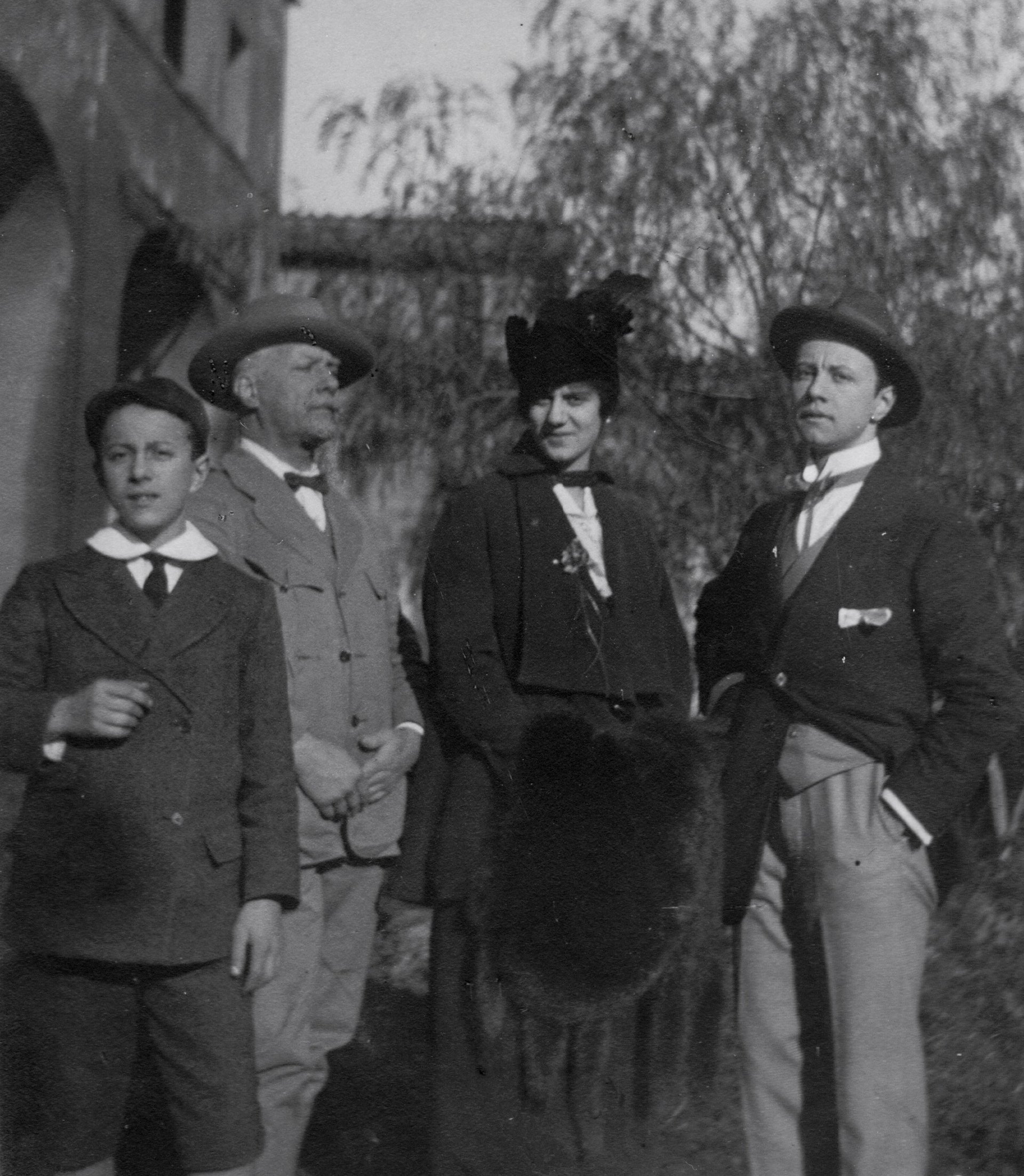
The story of Vigne Franceschini Resort began in the nineteenth century, when Ettore Franceschini built a fashion empire during one of Rome's most glamorous eras.
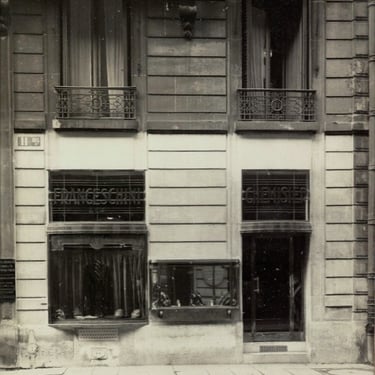
His boutique, located between Largo Goldoni and what is now Via del Corso, became an essential destination for those drawn to the sophistication of Parisian haute couture and the refinement of English tailoring. The Franceschini name soon became synonymous with style, elegance, and distinction among the capital's most exclusive circles.
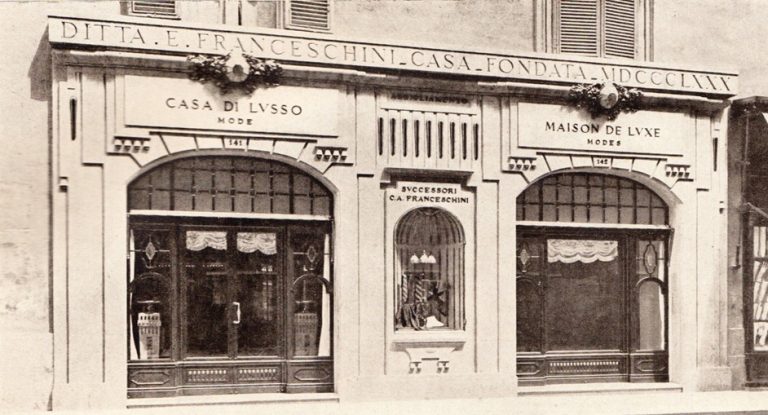
In the mid-nineteenth century, Ettore and his son Cesare expanded the family business to Paris, opening a boutique in Europe's most elegant city.
Yet it was far from the fashion houses and grand boulevards that Cesare discovered his true passion. Having inherited a parcel of land just south of the Vatican—between present-day Villa Doria Pamphilj and Via Gregorio VII—he came across an eighteenth-century estate situated among vineyards and abandoned farmhouses. It was love at first sight for both Cesare and his wife, Adriana.
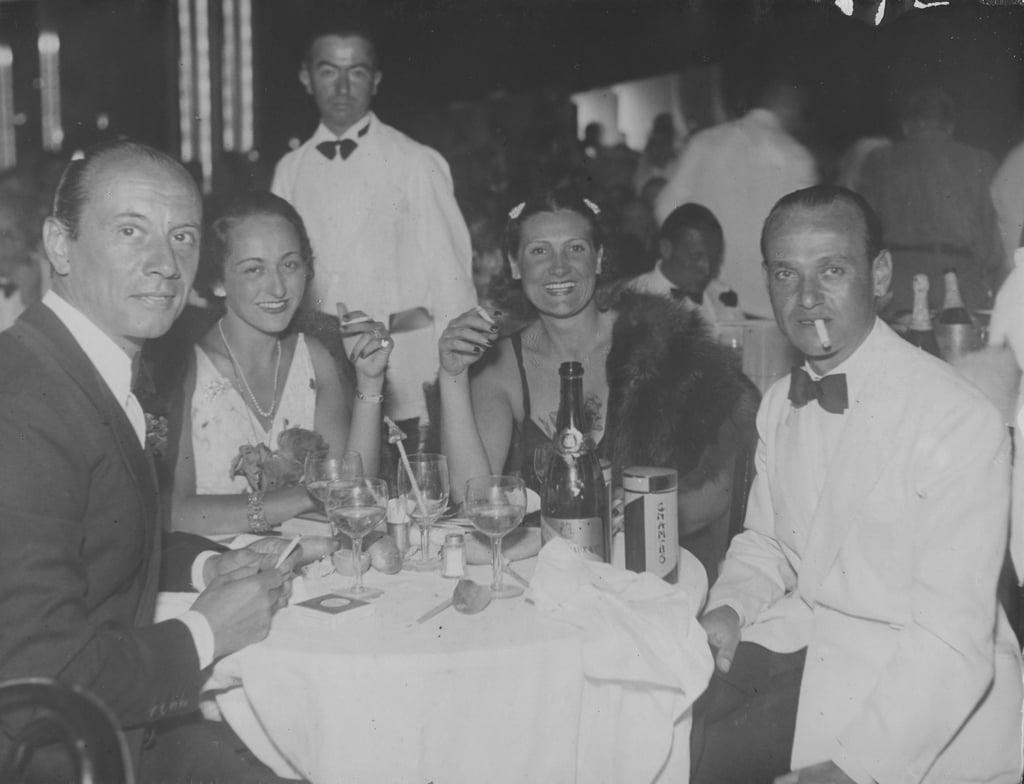
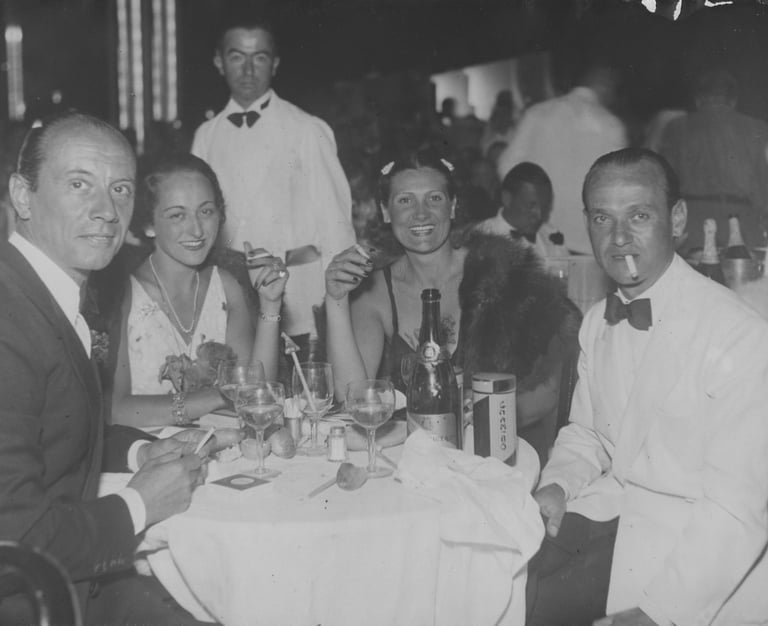
Though cosmopolitan by nature, Cesare and Adriana shared a deep love for the countryside.
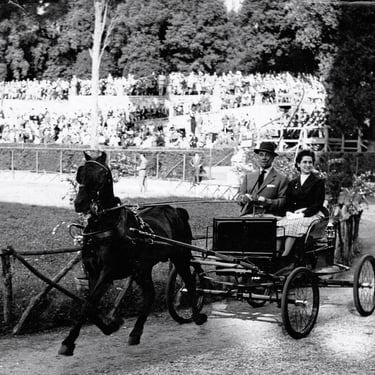
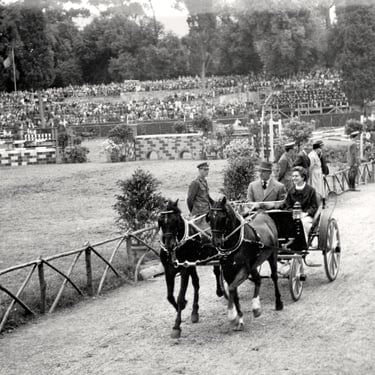
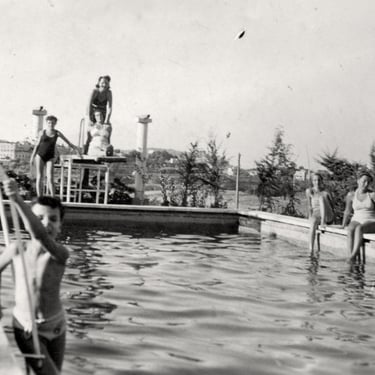
Together, they restored the estate, transforming it into a peaceful rural retreat just minutes from the heart of Rome. Within its walls they hosted elegant gatherings and dances, played tennis, rode horses, and cultivated a way of life that balanced sophistication with nature. The three-hectare (7.4-acre) estate featured refined stables and housed Cesare's cherished collection of vintage carriages.
As Rome expanded throughout the twentieth century, what had once been a country residence gradually became enveloped by the growing city. In doing so, it evolved into something even rarer: a private oasis of luxury, greenery, and tranquility in the heart of the Eternal City.
In 1947, Cesare and Adriana entrusted their friend Marcello Piacentini—one of Italy's most celebrated twentieth-century architects—with the restoration of the estate and the design of its magnificent Italian garden, which remains the jewel of the property today. Piacentini also created the estate's iconic staircase, an architectural centerpiece that continues to define its character.
One of the property's most extraordinary treasures lies hidden beyond an ancient iron gate: the Catacombs of Vigna Pellegrini (Cimitero dei Due Felici). Dating back to the fourth century, these historic catacombs once housed the remains of Pope Felix II, a controversial figure in Church history. Their cultural significance is such that the keys to the site are entrusted to the Pontifical Commission for Sacred Archaeology of Vatican City.
For more than four generations, Vigne Franceschini Resort has witnessed the transformation of Rome while remaining deeply rooted in its own history.
It has sheltered a family, preserved traditions, and watched a capital city grow around it.
Today, as in the past, it remains a place apart: moments from the center of Rome, yet worlds away from its bustle.
More than a luxury residence, Vigne Franceschini Resort is a living chapter of the Eternal City's history—an authentic sanctuary where heritage, nature, and timeless elegance endure.
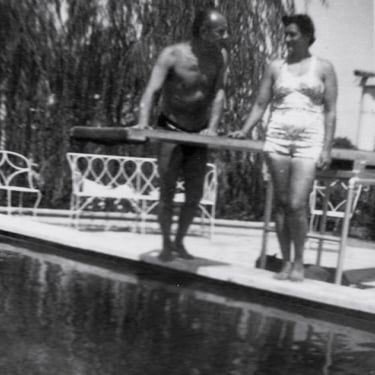
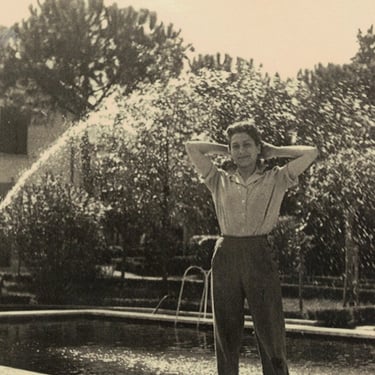
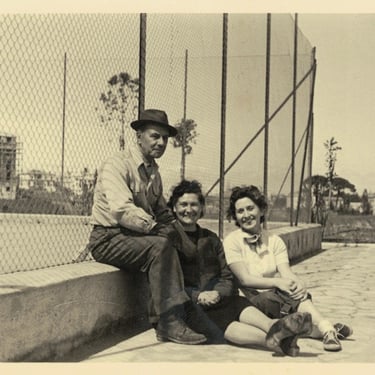
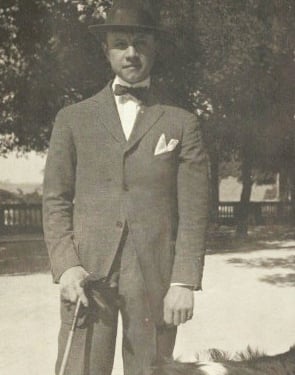
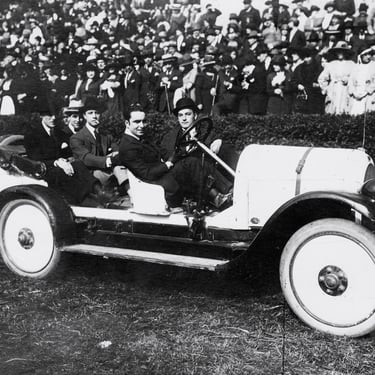
As the years passed, Ettore chose to hand the business over to Cesare.
Elegant and enterprising, Cesare moved naturally through drawing rooms and receptions, weaving relationships that further consolidated the family's prestige, living an intense life deeply immersed in the worldly vivacity of the time.